
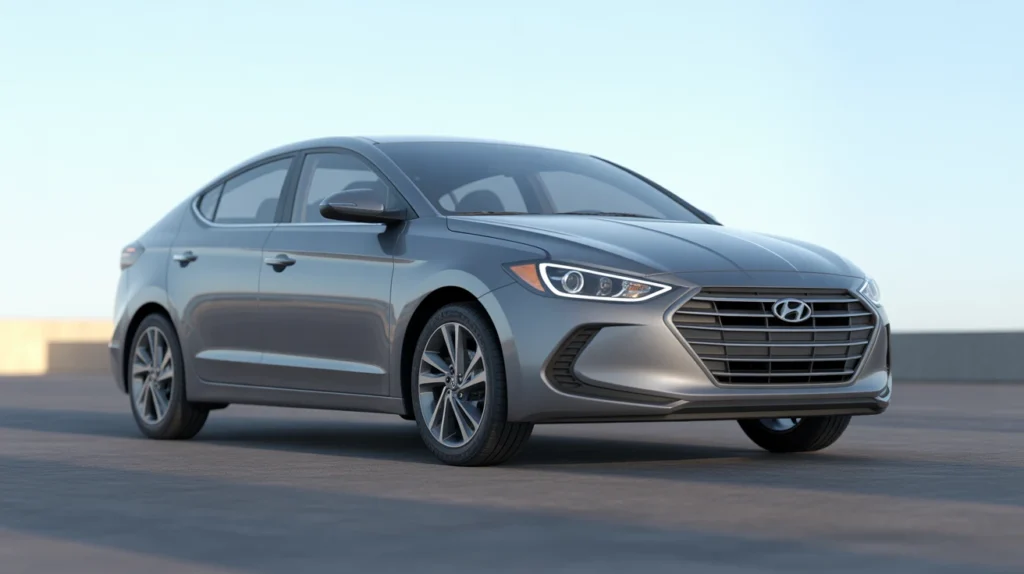
The 2017 Hyundai Elantra continues to be a standout in the compact sedan segment, offering a combination of reliability, fuel efficiency, and modern features that appeal to everyday drivers. Whether you’re commuting to work, running errands, or planning a weekend road trip, the 2017 Elantra presents a solid option for those seeking value without compromising on style or comfort.
In this guide, we’ll break down everything you need to know about the 2017 Hyundai Elantra, including trims, safety, performance, and maintenance, along with a real-life case study to give you a firsthand perspective.
Content
Overview & Key Specifications
The 2017 Hyundai Elantra is known for its refined design and practical interior. With a compact exterior footprint but surprisingly spacious cabin, it provides a comfortable ride for both drivers and passengers.
Key Specs:
- Engine Options: 2.0L 4-cylinder (147 hp) or 1.4L turbo 4-cylinder (128 hp)
- Transmission: 6-speed manual or 6-speed automatic
- Fuel Economy: Approximately 28–32 mpg city/highway
- Seating Capacity: 5 passengers
The Elantra 2017 specs highlight a balance between performance and efficiency, making it ideal for city driving and longer commutes.
Trim Levels & Features
The 2017 Hyundai Elantra comes in multiple trims, each offering unique features to cater to different needs:
- SE Trim – Basic yet practical, with essential safety features, air conditioning, and a 6-speaker audio system.
- Eco Trim – Focused on fuel efficiency, includes a turbocharged engine for improved mileage.
- Limited Trim – Offers premium features like leather seating, heated front seats, advanced infotainment, and optional Tech Package and Ultimate Package upgrades.
By understanding the differences between trims, buyers can choose the Elantra that fits both their lifestyle and budget.
Interior & Comfort
The cabin of the 2017 Elantra interior review shows a well-designed space with high-quality materials for the class. Key highlights include:
- Comfortable seating with ample legroom
- User-friendly infotainment system with optional touchscreen
- Bluetooth connectivity, USB ports, and available navigation
- Quiet cabin with effective sound insulation
Many owners report that even on longer drives, the Elantra provides a surprisingly smooth and quiet experience, making it ideal for daily commuting or weekend getaways.
Safety & Reliability
Safety is a crucial aspect for most buyers, and the 2017 Hyundai Elantra doesn’t disappoint. Standard safety features include:
- Six airbags and stability control
- Anti-lock brakes and traction control
- Available blind-spot detection and lane-keeping assist
The car also scores well in crash tests, offering peace of mind for families and solo drivers alike. Reliability is another strong suit for the 2017 Elantra, with regular maintenance ensuring the car can last well beyond 150,000 miles.
Read More About: Hyundai Palisade 2024
Performance & Driving Experience
The Elantra 2017 performance strikes a balance between comfort and responsiveness. The base 2.0L engine offers adequate acceleration for city driving, while the turbo 1.4L engine delivers a peppier ride for highway cruising. Suspension is tuned for smoothness, absorbing road imperfections effectively.
Real-world owners have noted that the Elantra handles daily driving demands effortlessly, from crowded city streets to weekend trips, making it a versatile choice.
Maintenance & Ownership Costs
One of the long-term benefits of owning a 2017 Hyundai Elantra is its manageable maintenance costs. Common maintenance items include:
- Oil changes every 5,000–7,500 miles
- Tire rotations and brake inspections
- Scheduled transmission and coolant checks
A practical 2017 Hyundai Elantra maintenance cost guide estimates yearly upkeep around $400–$500, depending on driving habits and regional service costs. This affordability contributes to the vehicle’s appeal for budget-conscious buyers.
Real-Life Case Study
Meet Sarah, a young professional in Dallas, Texas, who purchased a 2017 Hyundai Elantra Limited for her daily commute. Sarah’s daily drive is 35 miles one way, with heavy traffic during peak hours.
She shared her experience:
“I’ve been driving my Elantra for over three years now. The car is incredibly reliable, and the fuel economy really helps with my daily expenses. I also opted for the Tech Package, which includes a touchscreen and lane assist, making long drives much safer and less stressful. The interior comfort makes even traffic jams tolerable!”
Sarah’s experience mirrors many Elantra owners, showing that this sedan is practical, efficient, and reliable for real-world daily use.
Conclusion
The 2017 Hyundai Elantra is a well-rounded compact sedan that offers excellent value, practicality, and reliability. With multiple trims and packages, it caters to different needs and budgets. Whether you’re a daily commuter, small family, or first-time car buyer, the Elantra proves to be a dependable choice that balances comfort, safety, and efficiency.
By considering your driving habits and desired features, the Elantra can serve as a long-lasting and cost-effective vehicle for years to come.
For more options on spacious vehicles, check out our guide on the best 3rd Row SUV models available today.
FAQs
Is the 2017 Hyundai Elantra a good car?
Yes, it offers reliability, good fuel efficiency, and a comfortable driving experience.
What is the fuel economy of the 2017 Elantra?
It ranges from 28–32 mpg city/highway depending on the engine and trim.
What are the main safety features in the 2017 Hyundai Elantra?
It includes six airbags, stability control, anti-lock brakes, and optional lane-keeping and blind-spot detection.
How much does a 2017 Hyundai Elantra cost used?
The price typically ranges from $10,000 to $15,000, depending on mileage, trim, and condition.

Feel the wind in your hair and the thrill of the ride with Lucas. He’s a motorcycle maestro sharing his two-wheeled escapades. Hop on your bike and follow him into the world of freedom and adrenaline.