
The 2017 Nissan Sentra has long been a reliable option in the compact sedan segment, offering a blend of affordability, comfort, and practicality. Whether you’re a first-time car buyer or looking for a dependable used car, the 2017 Sentra is worth considering. In this guide, we’ll take a deep dive into its features, performance, reliability, and real-life experiences, giving you a clear picture of what this car offers.
Content
Overview of the 2017 Nissan Sentra
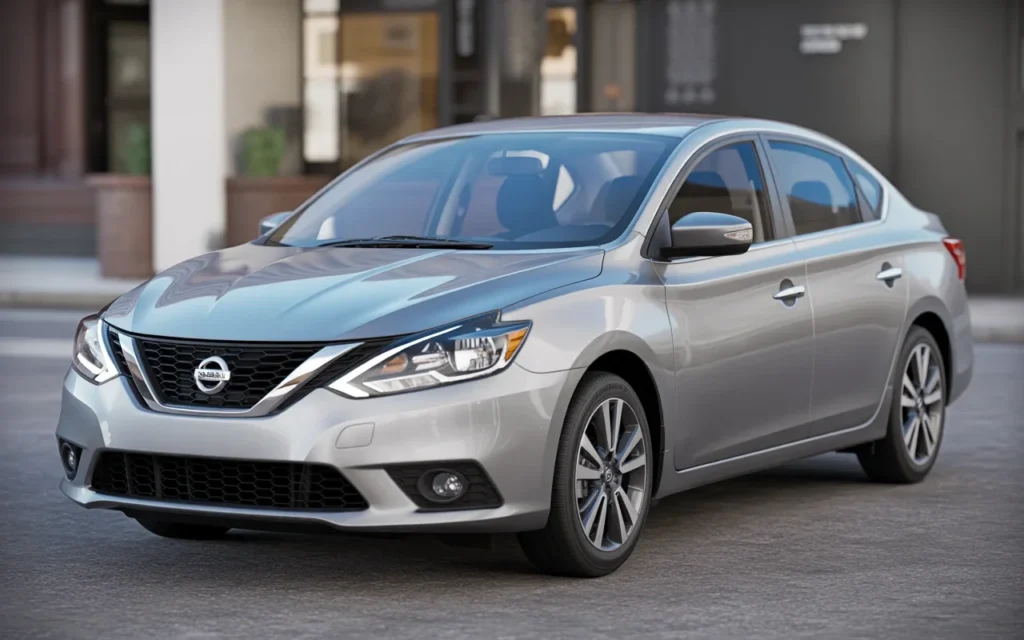
The 2017 Nissan Sentra is a compact sedan that balances efficiency and functionality. With its sleek exterior design, comfortable interior, and solid reliability, it appeals to a wide range of drivers. This model received a minor refresh in 2017, improving interior quality and technology options compared to previous years.
Many owners praise the 2017 Sentra for being economical to maintain, fuel-efficient, and practical for city driving. It’s not a sports car, but it gets the job done efficiently and comfortably.
Key Features
The 2017 Nissan Sentra comes equipped with a variety of features aimed at comfort, convenience, and safety. Here are some of the highlights:
- Comfortable Seating: The Sentra offers spacious seating for up to five passengers. Materials vary by trim, but even the base models have supportive seats that make long drives less tiring.
- Technology Features: Depending on the trim, you may find a touchscreen infotainment system, Bluetooth connectivity, USB ports, and a rearview camera. The higher trims even offer navigation and premium audio options.
- Exterior Design: While modest, the Sentra’s exterior styling is modern and functional, with aerodynamic lines and practical features like LED headlights on higher trims.
One of the 2017 Nissan Sentra interior highlights is its surprisingly roomy rear seating and easy-to-use dashboard layout, which makes it ideal for families or daily commuting.
Interior, Comfort, and Technology Features
Step inside the 2017 Nissan Sentra, and you’ll notice thoughtful design choices aimed at driver comfort and convenience:
- Intuitive dashboard layout
- Easy-to-read instrument cluster
- Generous trunk space for luggage or groceries
For technology enthusiasts, the Sentra’s infotainment system includes Bluetooth pairing, USB ports, and optional navigation. In real-life usage, owners appreciate the user-friendly interface, which avoids the common frustration of overly complicated controls found in other sedans.
Read More About: 3rd Row SUV
Performance and Engine Specs
Under the hood, the 2017 Nissan Sentra comes with a choice of engines depending on trim level:
- Standard 1.8L 4-cylinder engine producing around 124 horsepower.
- SR Turbo trim with a 1.6L turbocharged 4-cylinder engine delivering 188 horsepower for a more spirited drive.
The 2017 Sentra performance is tuned more for efficiency than speed, which makes it ideal for city commuting and highway driving. The continuously variable transmission (CVT) ensures smooth acceleration and better fuel economy. Drivers often report that the Sentra provides a quiet and stable ride, even on rougher roads.
Fuel Economy and Efficiency
One of the reasons the 2017 Sentra is so popular is its fuel efficiency.
- City: Approximately 29–30 mpg
- Highway: Around 37 mpg
The 2017 Sentra gas mileage and efficiency make it a cost-effective option for daily commuting or long-distance drives. Many owners have shared real-life experiences of spending very little on fuel for their regular drives, which is particularly appealing for budget-conscious buyers.
Safety Features and Reliability
Safety is a strong point for the 2017 Nissan Sentra. It comes with features like:
- Anti-lock brakes (ABS)
- Traction control
- Electronic stability control
- Multiple airbags including front and side-impact
The 2017 Sentra safety ratings from organizations like the NHTSA and IIHS are solid, often earning “Good” scores in crash tests.
Reliability is another area where the Sentra shines. With proper maintenance, many owners report over 150,000 miles of dependable service. This is why the long-term ownership of a 2017 Nissan Sentra is often stress-free.
Real-Life Case Study: Commuter Experience with the 2017 Nissan Sentra
Take Sarah, a school teacher from Dallas, who purchased a 2017 Nissan Sentra SR Turbo two years ago. Her daily commute is about 25 miles each way.
- Fuel costs: She reports spending roughly $120 per month on fuel, highlighting the Sentra’s efficiency.
- Comfort: Sarah finds the seats comfortable even during long school runs, and the rear seating comfortably fits her two children.
- Reliability: Aside from routine maintenance like oil changes and tire rotations, she hasn’t encountered any major mechanical issues.
- Technology: She frequently uses the Bluetooth audio and navigation system for weekend trips.
Sarah’s experience demonstrates why many drivers consider the 2017 Nissan Sentra a dependable, practical, and cost-effective choice for both city and highway driving.
Comparison with Previous Models
Compared to the 2016 Nissan Sentra, the 2017 model offers:
- Slightly improved interior materials
- Updated infotainment options
- Minor exterior styling refinements
While the 2017 Nissan Sentra vs 2016 Sentra comparison shows incremental upgrades rather than a full redesign, these changes enhance the overall driving experience.
Pricing and Maintenance Costs
The price for a used 2017 Nissan Sentra typically ranges between $10,000 and $15,000, depending on trim, mileage, and condition.
Maintenance costs are relatively low, with routine servicing and part replacements being affordable. This makes the 2017 Sentra a practical choice for budget-conscious buyers looking for a reliable sedan.
Final Verdict
The 2017 Nissan Sentra is an excellent choice for those seeking an affordable, reliable, and fuel-efficient compact sedan. With its solid safety features, comfortable interior, and dependable performance, it continues to attract both first-time buyers and experienced drivers looking for a practical daily driver.
Whether you prioritize fuel economy, low maintenance, or a spacious interior, the 2017 Sentra delivers on most fronts. As seen in real-life experiences like Sarah’s case, this vehicle offers a stress-free ownership experience that many drivers appreciate.
Looking for more reliable compact sedans? Check out our full review of the 2017 Hyundai Elantra for features, specs, and performance insights.
FAQs
What is the most common problem with a 2017 Nissan Sentra?
The most common issue is CVT transmission wear, which may cause shuddering or delayed acceleration in some models.
How long will a 2017 Nissan Sentra last?
With proper maintenance, a 2017 Nissan Sentra can last over 150,000–200,000 miles.
What is the transmission lawsuit on the 2017 Nissan Sentra?
Some 2017 Sentra owners filed a lawsuit regarding CVT transmission issues like stalling or premature wear.
Does a 2017 Nissan Sentra have a CVT transmission?
Yes, all 2017 Nissan Sentra trims come with a CVT (Continuously Variable Transmission).

Feel the wind in your hair and the thrill of the ride with Lucas. He’s a motorcycle maestro sharing his two-wheeled escapades. Hop on your bike and follow him into the world of freedom and adrenaline.